Comprehensive Guide to Conference Room Av Systems for 2026 Planning
Wiki Article
Conference room AV systems play a crucial role in modern workplace communication, enabling seamless video conferencing, collaborative presentations, and remote teamwork. Organizations across the United States are investing in sophisticated audio visual solutions to stay competitive and help hybrid work models. Understanding the key components, budgeting considerations, and integration procedures helps companies make knowledgeable decisions for their 2026 technology roadmaps.
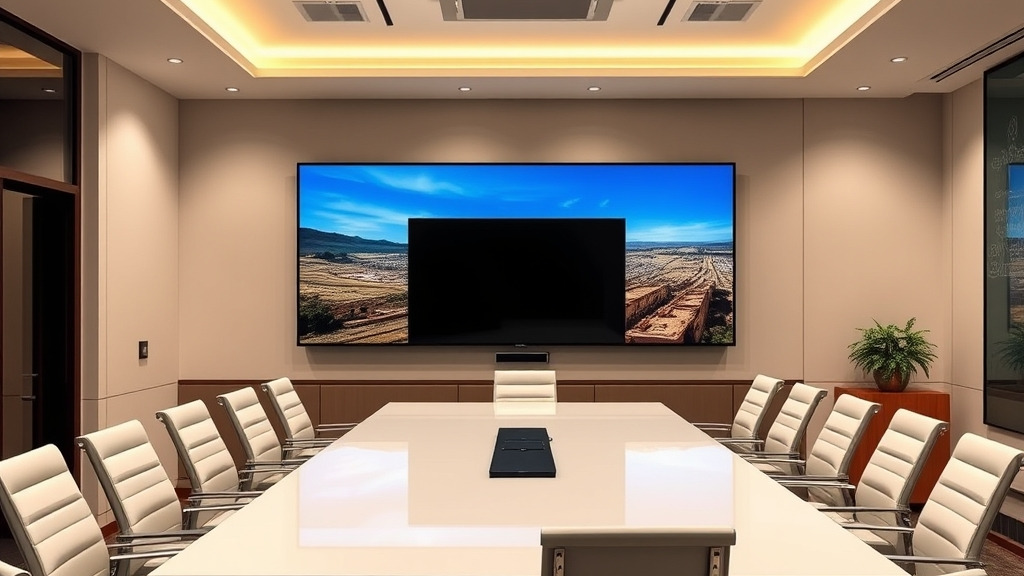
conference room AV systems: Key Conference Room AV Planning Factors
Proper conference room AV planning begins with assessing the space requirements, expected usage patterns, and technical capabilities needed for your organization. Start by evaluating room dimensions, ceiling height, and existing infrastructure to determine optimal speaker placement, screen sizing, and camera positioning. Review the types of meetings your team conducts most often, as this will dictate whether you need basic video conferencing capabilities or more high-level collaboration features. Create a detailed specifications document that outlines required audio visual equipment, connectivity alternatives, and integration requirements before engaging vendors or scheduling installations. This foundational planning stage prevents costly modifications later and ensures your system meets all stakeholder needs.
- Assess room dimensions and acoustic needs
- Identify meeting types and frequency
- Document technical specifications and integration needs
- Establish budget parameters and ROI expectations
- Select qualified AV integration partners
Effective conference room AV planning calls for attention to both technical and human factors. The physical environment impacts audio quality, while user experience determines ongoing adoption rates. Create a thorough timeline that includes needs assessment, vendor variety, system design, installation, testing, and training phases. Consider future expansion needs, such as adding additional display panels or integrating with emerging collaboration tools. Regular feedback collection from end users helps refine system configurations and recognize additional requirements that may have been overlooked during initial planning stages.
conference room AV systems: Conference Room AV Cost Management and Selection
Conference room AV cost considerations vary dramatically according to system complexity, brand choices, and installation requirements. Small meeting rooms usually range from $2,000 to $5,000 for basic setups, while larger conference spaces can exceed $15,000 for comprehensive solutions. Factor in ongoing maintenance charges, software subscriptions, and upgrade cycles when calculating total cost of ownership. Prioritize essential qualities such as reliable video quality, clear audio capture, and easy-to-use interfaces over luxury add-ons that may never see regular use.
When selecting conference room AV systems, review vendors based on warranty terms, technical help availability, and system scalability. Request in-depth quotes that break down equipment expenses, labor charges, and any additional services like calibration or training. Review leasing options that provide access to newer technology without substantial upfront investments. Many providers offer modular systems that allow incremental upgrades as your organization's needs evolve, protecting your initial investment while accommodating growth.
- Basic setup: $2,000-$5,000 for small rooms
- Mid-range: $5,000-$10,000 for medium spaces
- Premium: $10,000-$20,000+ for large conference areas
- Leasing: 36-60 month terms with upgrade choices
- Maintenance: 10-15% of equipment price annually
Conference room AV price management extends beyond initial purchase decisions. Establish a preventive maintenance schedule that features regular software updates, cleaning of microphones and speakers, and system performance testing. Document all warranty periods and service agreements to maximize equipment lifespan. Think about forming a cross-functional team that includes IT, facilities, and end users to evaluate proposals and ensure selected approaches align with organizational needs and budget constraints.
conference room AV systems: Ensuring Reliable Conference Room AV System Performance
Conference room AV integration involves coordinating multiple components to create a unified, user-friendly experience. Work with experienced AV integration specialists who understand cabling requirements, network infrastructure, and software compatibility. Develop a comprehensive integration plan that includes equipment staging, installation scheduling, and coordination with building maintenance teams. Test all connections thoroughly before final system commissioning to pinpoint potential issues early in the method.
During integration, focus on creating clean cable handling solutions that minimize visual clutter while preserving accessibility for future maintenance. Implement appropriate grounding and surge protection to safeguard sensitive electronic equipment. Establish straightforward labeling conventions for all connections and ports to simplify troubleshooting and future expansions. Document system configurations and user manuals to ensure seamless operation and reduce dependency on external assistance.
- Verify all cable connections and network integrity
- Conduct acoustic and visual caliber tests
- Test remote participation scenarios
- Document system configurations and user procedures
- Perform final acceptance testing with end users
Post-installation testing ensures your conference room AV systems perform reliably under real-world conditions. Schedule complete testing sessions that simulate typical meeting scenarios, including presentations, video conferences, and collaborative daily routines. Capture performance metrics and user feedback to pinpoint any adjustments needed before official system handoff. Create a detailed testing report that serves as reference for future maintenance and troubleshooting activities.
Effective conference room AV integration blends technical expertise with practical user factors. The goal is to create systems that enhance productivity rather than complicate daily operations. Regular system evaluations and user feedback collection help pinpoint opportunities for optimization and ensure your technology investment continues offering value long after installation.
Implementing robust conference room AV systems requires strategic planning, cost control, and careful integration methods. Start with thorough needs assessment, develop realistic budgets, and work with qualified integration partners who understand your specific requirements. Regular testing and maintenance will ensure your systems continue to be reliable and continue supporting your organization's communication needs well into 2026 and beyond.
Find out more on - LED wall rental cost
Report this wiki page